Preventing Asbestos Exposure During Home Renovations
Home renovations can feel like opening a time capsule. Excitement fills the air—until you wonder what’s behind that next layer of paint or drywall. For homes built before the 1990s, hidden dangers like asbestos can turn a dream project into a health risk overnight.
At Soteria Asbestos, we see the aftermath far too often. With every hammer swing, the stakes grow. Asbestos exposure isn’t just a technical problem—it’s a family safety issue, and it’s one you can control if you know how.
Why Renovations Uncover Asbestos
Old homes are full of mysteries. Some are charming, like a vintage tile floor; others are silent threats. Asbestos was once prized for its fireproof and insulating qualities. It lurks in insulation, ceiling tiles, textured paints, floor tiles, pipe wraps, and even window putty.
Renovations stir up dust, break apart materials, and—if you aren’t careful—release asbestos fibers. Think of it like shaking a dusty rug in sunlight: you see the particles swirling. Asbestos fibers, though, are invisible, and when breathed in, they can cause serious lung diseases years later.
Many homeowners assume asbestos is a relic of the past, but the U.S. Environmental Protection Agency (EPA) and the Occupational Safety and Health Administration (OSHA) still flag it as a major hazard in older buildings. If your home was built before 1990, or you’re unsure about previous remodels, asbestos testing should be on your checklist.
Pre-Project Assessment 🏡
Before you touch a crowbar or paint scraper, ask: What’s behind those walls? Here’s how to start safely:
- Schedule professional asbestos inspection. Qualified teams, like ours at Soteria Asbestos, use specialized sampling and lab analysis.
- Request lead paint testing. Many older homes have both asbestos and lead paint hazards.
- Check for mold and other hazards. Mold inspection can reveal hidden moisture problems.
- Get air quality testing. This helps establish a baseline for safety.
Don’t skip this step. It’s like checking the weather before a road trip. Better to pause now than to face a storm mid-project.
Containment and Safety Measures
Found asbestos or suspect it’s present? Now is the time for chess, not checkers. Every move matters.
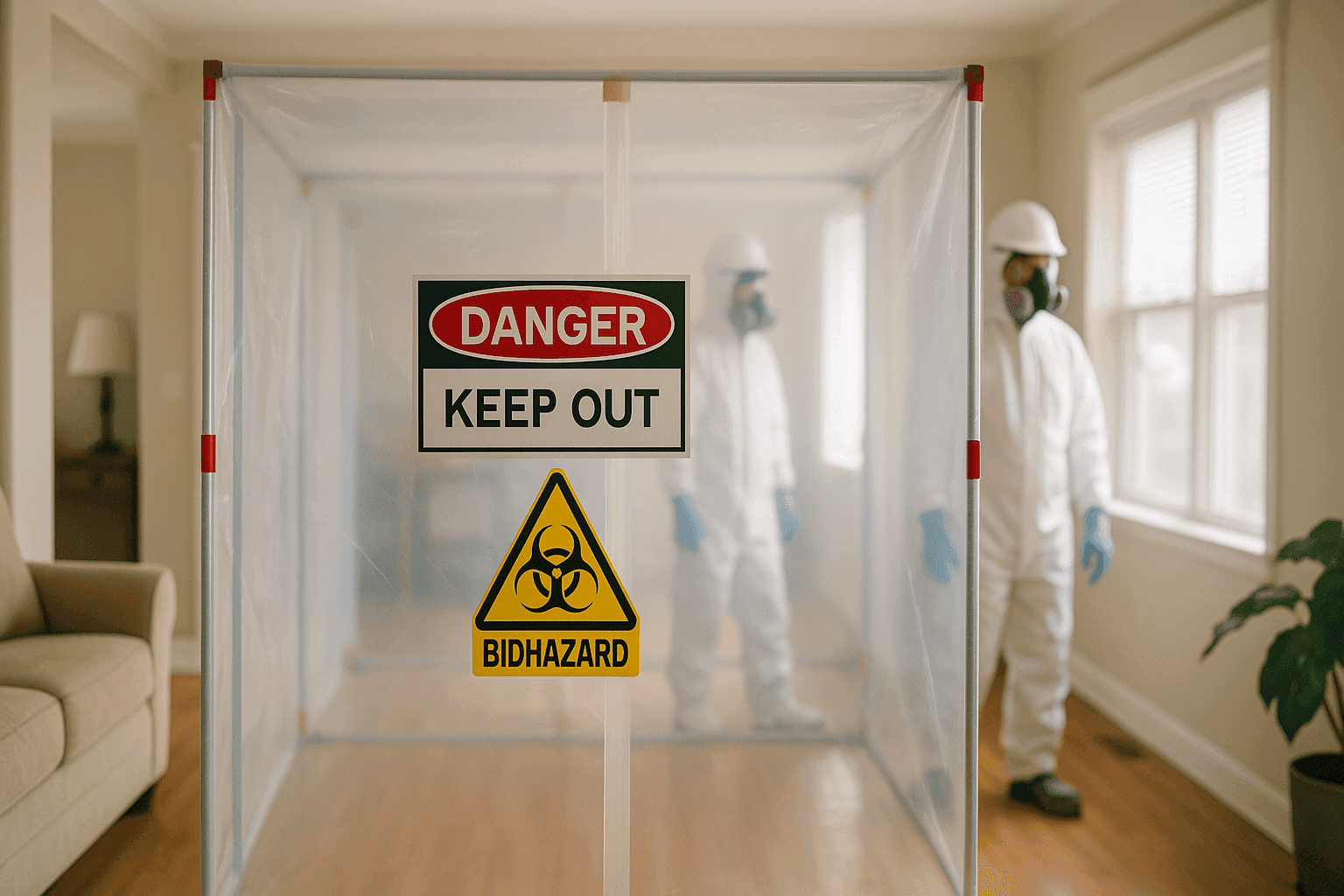
- Set up containment: Plastic sheeting, negative air machines, and HEPA filters keep fibers from spreading.
- Clear the area: Remove furniture, close vents, and seal doors.
- Wear the right gear: Respirators (not simple dust masks), disposable coveralls, and gloves are essential.
- Control dust: Wet methods reduce airborne fibers.
- Label hazardous zones: Make sure everyone knows which areas are off-limits.
Following these steps mirrors strict guidelines from agencies like the EPA and your local Department of Health.
When to Pause and Call Experts 🚨
Sometimes, the best tool is the phone. Here’s when to stop work and consult professionals:
- You see crumbly, fibrous, or suspicious material (especially gray, white, or blue).
- You break into unknown wall or ceiling spaces.
- A family member develops coughing, shortness of breath, or irritation during work.
- You’re planning demolition or major structural changes.
DIY asbestos_removal is not just risky—it’s usually illegal for homeowners. Regulations require licensed professionals for any significant asbestos work. The same applies to Lead Paint Removal near you: trained crews know how to handle these hazards without endangering your family.
Legal Responsibilities for Homeowners and Contractors
Homeowners have a duty to provide a safe environment—not just for their families, but for any workers, guests, or neighbors affected by renovation dust. Contractors must comply with federal, state, and local regulations, including notification and safe disposal requirements.
- EPA’s Renovation, Repair and Painting (RRP) Rule outlines lead-safe practices.
- OSHA standards require asbestos hazard communication and worker protection.
- Local building codes may require permits and notifications for asbestos_removal.
Failure to comply can mean fines, liability, and long-term health risks. If you’re hiring a contractor, always ask about their certifications and experience with hazardous material handling.
Renovation Safety Checklist
Before and during your project, run through this quick checklist:
- [ ] Professional inspection for asbestos, lead paint, and mold
- [ ] Proper containment and signage
- [ ] Personal protective equipment for all workers
- [ ] Air quality monitoring during and after work
- [ ] Legal notifications and permits as required
- [ ] Emergency plan in place
Planning Safe Renovations
A little planning now saves a lot of pain later. Here are practical tips to keep your project on track:
- Communicate early: Tell everyone (family, workers, neighbors) about the work schedule and hazards.
- Limit access: Keep children, pets, and visitors far from the area.
- Plan waste disposal: Asbestos and lead debris must go to approved sites.
- Schedule post-removal testing: Make sure your home is safe before moving back in.
When It’s Time to Call in the Pros
Some tasks look simple but carry hidden risks. If you’re ever in doubt—call Soteria Asbestos. We handle:
- Asbestos removal with full containment and decontamination.
- Lead paint removal using EPA-certified techniques.
- Hazardous material handling for all types of renovation debris.
- Emergency services if you find unexpected hazards mid-project.
What Professionals Do On Arrival
When our team arrives, we follow a strict process:
- Assess and confirm hazards: Visual inspections, air sampling, and lab analysis.
- Set up containment: Barriers, negative air pressure, and secure entryways.
- Safe removal: Using wet methods and HEPA vacuums to control fibers.
- Decontamination: Thorough cleaning of the site and all equipment.
- Post-removal testing: Ensuring air quality is safe for your family.
This isn’t just best practice—it’s required by law. Our protocols align with EPA, OSHA, and state health department standards.
Prevention & Maintenance
After renovation, keep your home safe:
- Inspect high-risk areas regularly: Attics, basements, and crawl spaces.
- Address water leaks fast: Moisture can damage old materials and release fibers.
- Educate your family: Teach older children what to avoid.
- Use only licensed professionals for future work in suspect areas.
Costs & Time Factors
Budgeting for asbestos_removal or lead paint removal depends on:
- Extent of contamination: Larger areas mean more time and materials.
- Access: Hard-to-reach spaces take longer.
- Testing needs: Comprehensive inspections add upfront cost but prevent surprises later.
- Regulatory requirements: Permits and disposal fees vary by region.
Most projects are completed in days, not weeks, but every home is different. Investing in safety now can save thousands in medical bills and legal fees down the road.
When It’s an Emergency
If you accidentally disturb asbestos during a renovation:
- Stop all work immediately.
- Leave the area, closing doors behind you.
- Turn off HVAC systems to prevent fiber spread.
- Call Soteria Asbestos for emergency assessment and cleanup.
Never try to vacuum or sweep—this can make things worse. Emergency services exist for a reason.
Frequently Asked Questions
How do I know if my home has asbestos?
Only professional testing can confirm asbestos. If your home was built before 1990, assume it may be present in insulation, tile, ceiling, and pipe materials.
Is it safe to remove asbestos myself?
No. DIY removal is dangerous and often illegal. It puts your health, and that of your family and neighbors, at risk.
What are the legal penalties for improper asbestos_removal?
Penalties range from hefty fines to criminal charges, depending on your location and the extent of the violation.
Can I just cover over old materials instead of removing them?
Encapsulation is sometimes allowed for minor issues, but this requires professional evaluation and ongoing monitoring.
Local and Seasonal Considerations 🌦️
Renovation risks can change with the seasons. In colder climates, closed windows mean less ventilation—so airborne fibers linger longer. In humid summers, mold growth can complicate asbestos and lead paint hazards. Always schedule inspections before peak renovation seasons, and coordinate with local disposal facilities to avoid delays.
Final Thoughts
Home renovations should bring peace of mind, not anxiety. Preventing asbestos exposure starts with one step: awareness. With Soteria Asbestos, you gain a partner who knows the rules, respects your family’s safety, and brings experience to every challenge—big or small.
Call Soteria Asbestos now — or reach us anytime at 888-840-7039 .