Asbestos Removal: Essential Steps for Homeowners
When you hear the word “asbestos,” it’s easy to feel a chill. Suddenly, your home doesn’t seem as safe. You’re not alone—thousands of homeowners face this situation every year. At Soteria Asbestos, we see the confusion, the worry, and the urgency. You want answers. You want your home safe. And you don’t want to make a costly mistake.
Let’s walk through the essential steps of asbestos_removal so you can move forward with clarity and confidence.
What is Asbestos and Where Might It Be? 🏠
Think of asbestos as a wolf in sheep’s clothing. It was once hailed for its fireproof magic and woven into homes from the 1940s through the 1980s. But hidden dangers lurk: asbestos fibers, when disturbed, can float invisibly in the air, entering lungs and causing serious illnesses like asbestosis, mesothelioma, and lung cancer.
Where can asbestos hide in your home?
- Insulation (attics, wall cavities)
- Floor tiles and adhesives
- Ceiling tiles and textured coatings (like popcorn ceilings)
- Roofing shingles, siding, and eaves
- Pipe insulation and boiler wraps
- Old HVAC duct tape or gaskets
It’s almost like a game of hide-and-seek, but the stakes are high. If your home was built before the late 1980s or has undergone renovations with older materials, it’s wise to be cautious.
Why Professional Removal Matters
Imagine trying to catch smoke with your bare hands. That’s what tackling asbestos without training is like. Even minor disturbance can release a cloud of microscopic fibers. Once airborne, they’re nearly impossible to clean up without specialized equipment.
Why call Soteria Asbestos or another licensed pro?
- Legal Requirements: In most regions, only licensed professionals can perform asbestos_removal in residential settings (refer to OSHA 29 CFR 1926.1101 and EPA guidelines).
- Health Risks: DIY attempts often make things worse, spreading contamination.
- Proper Disposal: Asbestos waste isn’t just “garbage.” It must be packaged, transported, and disposed of at certified facilities.
Lead Paint Removal and hazardous material handling are subject to similar strict rules—never cut corners with your family’s safety.
Step-by-Step Removal Process
Every home is different, but the roadmap usually looks like this:
1. Inspection & Testing
- Professional Asbestos Inspection: Certified inspectors use sampling and air quality testing to confirm asbestos presence.
- Mold & Lead Paint Checks: Often, other hazards are found during the same survey.
2. Planning & Regulatory Compliance
- Notification: Local authorities may require advance notice before work begins.
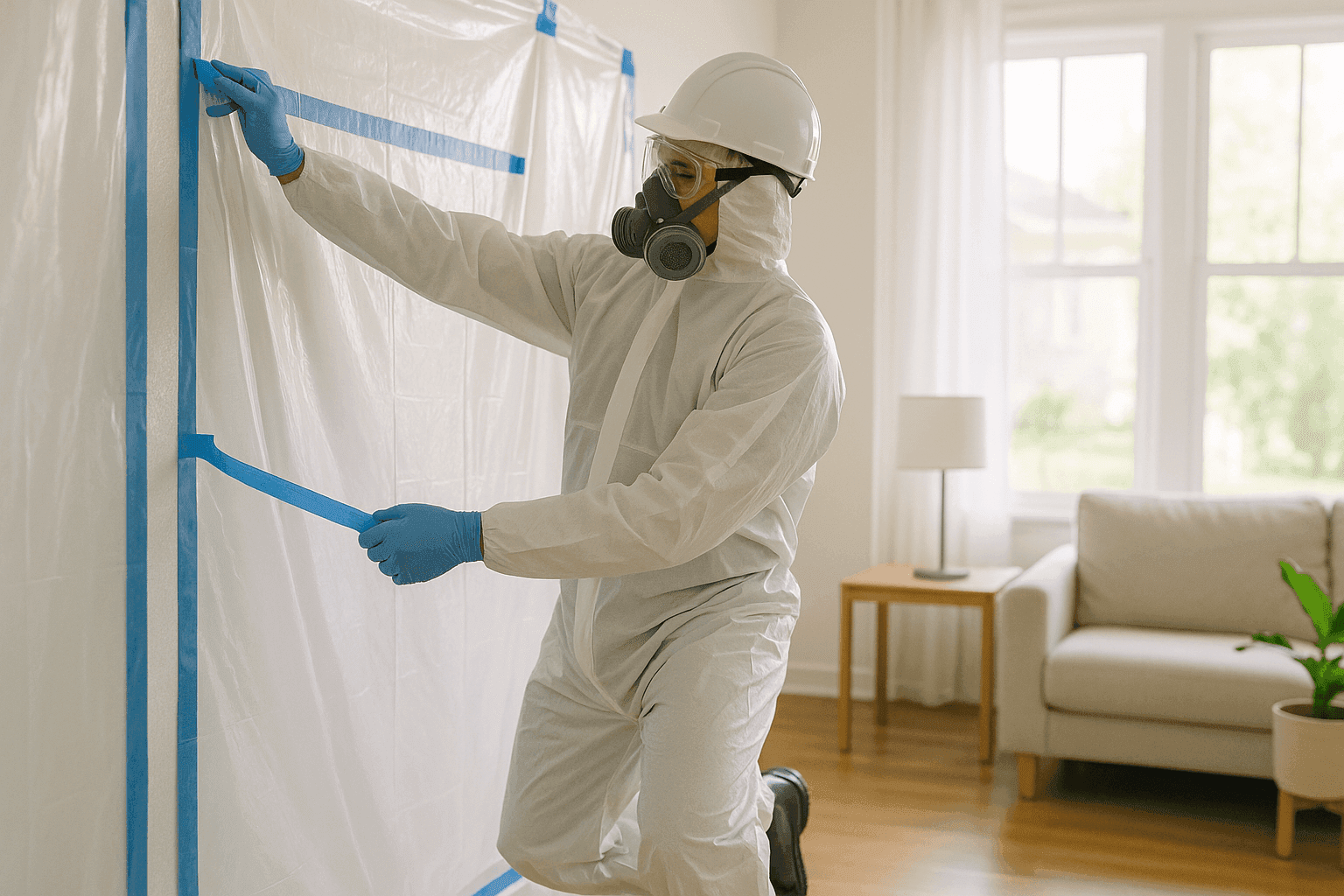
- Containment Setup: Plastic sheeting, negative air machines, and sealed zones keep fibers from spreading.
- Permitting: Some projects require permits, especially if demolition is involved.
3. Asbestos Abatement
- Protective Gear: Technicians wear full suits, gloves, and respirators.
- Careful Removal: Materials are wetted to reduce dust. Removed in sections, double-bagged, and labeled.
- Waste Disposal: Transported to authorized hazardous waste sites.
4. Post-Removal Testing
- Air Quality Testing: High-efficiency air sampling ensures fibers are gone.
- Visual Inspection: The site is checked for residue or debris.
5. Decontamination & Site Clearance
- HEPA Vacuuming: All surfaces are cleaned with specialized equipment.
- Final Documentation: Homeowners receive clearance reports for peace of mind and future property records.
DIY vs Professional: What’s Legal and Safe?
Let’s be blunt—DIY asbestos_removal is like playing with fire in a dry forest.
- Legal Risks: Most states ban unlicensed asbestos work in homes. Penalties can be steep.
- Safety Risks: Without proper gear and negative air controls, you risk contaminating your entire house.
- Insurance Issues: Many policies won’t cover damages from unauthorized work.
For small jobs like Lead Paint Removal near you, DIY might be possible with EPA-approved kits—but not for asbestos. Always consult a licensed contractor.
Post-Removal: Ensuring a Clean Home 🌬️
Once the last bag is sealed, your home isn’t truly safe until post-removal testing says so.
What should you expect?
- Independent Testing: Insist on a third-party air quality test.
- Clearance Certificate: This is your proof for future buyers, renters, or peace of mind.
- Site Review: Check for dust, debris, and any missed spots.
After asbestos_removal, regular cleaning and prompt repair of new damage helps prevent issues from returning. Mold inspections, air quality checks, and keeping an eye out for signs of water damage (which often go hand-in-hand with asbestos) are smart moves.
Homeowner Safety Checklist
- If you suspect asbestos, don’t touch or disturb it.
- Keep children and pets away from affected areas.
- Call a licensed inspector for testing.
- Don’t attempt repairs, sanding, or removal yourself.
- Save all reports and clearance documents.
Common Homeowner Questions
How do I know if my home has asbestos?
Homes built before the late 1980s are most at risk. Only certified asbestos testing can confirm its presence. Don’t rely on appearance alone.
Is asbestos dangerous if it’s left alone?
If undisturbed and in good condition, asbestos is less likely to release fibers. But renovations, water leaks, or damage can change that quickly. Always check before disturbing materials.
What does asbestos_removal cost?
Costs vary based on location, project size, and complexity. Factors include accessibility, square footage, and disposal fees. Soteria Asbestos provides clear assessments—no guesswork.
Can I sell my home with asbestos present?
You must disclose known asbestos to buyers. Removal and clearance documentation can add value and peace of mind.
Local and Seasonal Considerations 🌦️
- Winter: Colder weather can slow down some removal processes—ventilation is harder, and materials may be brittle.
- Spring/Summer: Renovations and demolition projects often spike, increasing wait times for inspections and abatement.
- Humidity: High moisture levels can raise the risk of mold along with asbestos—consider combined mold remediation services.
Citing the Experts
Regulatory bodies like the U.S. Environmental Protection Agency (EPA), Occupational Safety and Health Administration (OSHA), and your local health department all outline strict requirements for safe asbestos handling. Always check their resources before planning any work.
Your home is your haven. Don’t let hidden hazards compromise your safety or your peace of mind. For asbestos_removal, mold inspection, Lead Paint Removal near you, or even urgent emergency services, you deserve clarity and care every step of the way.
Call Soteria Asbestos now — or reach us anytime at 888-840-7039 .