How to Identify Asbestos in Your Home: Warning Signs & Next Steps
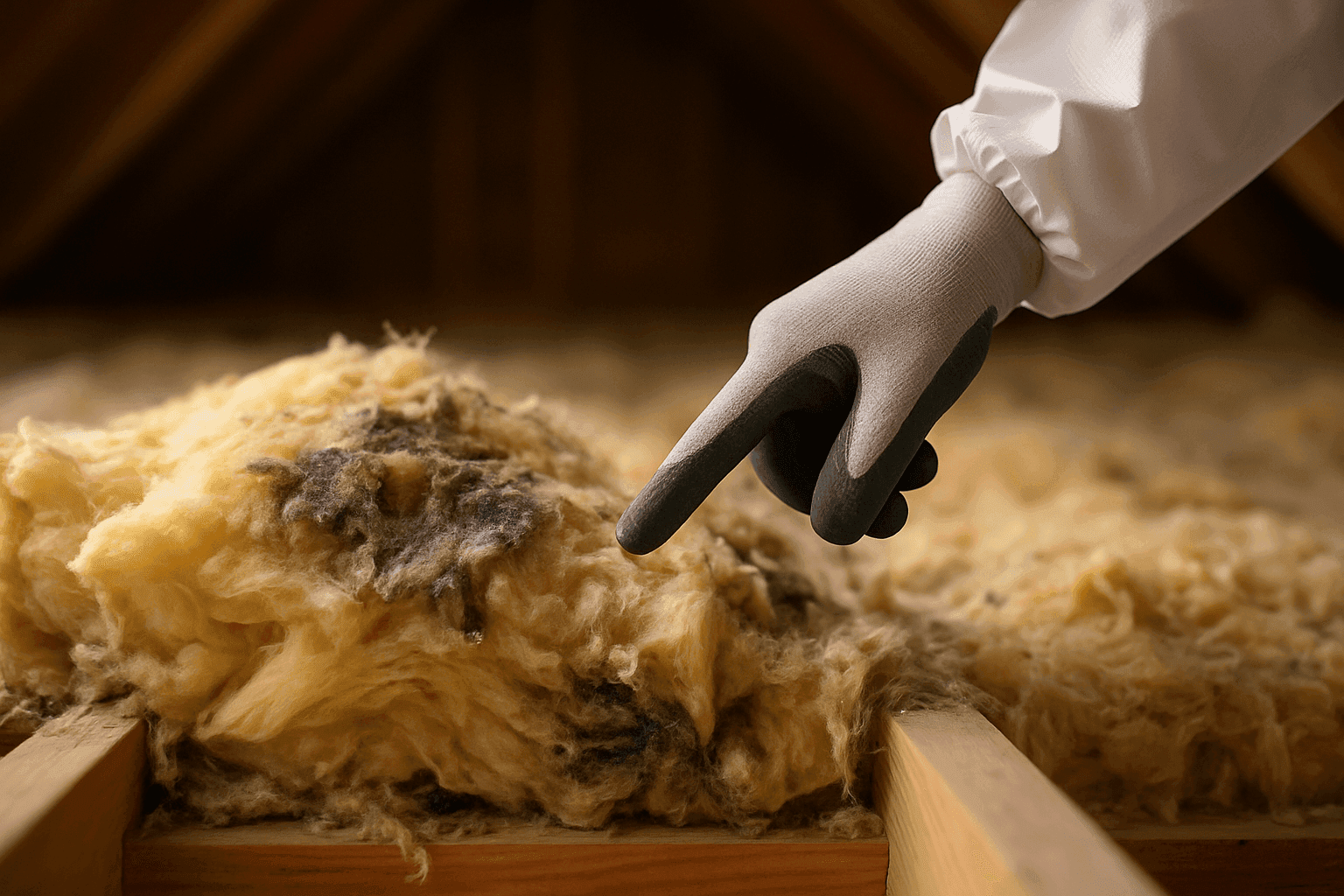
If your house was built before the late 1980s, you may have a silent guest: asbestos. Many homeowners go years without realizing their insulation or floor tiles could be dangerous if disturbed. But the threat is real. At Soteria Asbestos, we know just how unsettling it can be to worry about what’s behind your walls.
You want to keep your family safe—without panic or guesswork. This guide will help you understand where asbestos lurks, what to look for, and how to take the right steps for safe asbestos_removal or testing.
Where Asbestos Hides in Homes 🏚️
Asbestos is like a shadow in older homes—often hidden, but always lurking in certain places. Builders once prized it for its heat resistance and strength. You’ll mostly find it in:
- Attic and wall insulation (especially vermiculite insulation)
- Vinyl floor tiles, backing, and adhesives
- Textured ceilings (popcorn ceilings)
- Old ductwork and pipe insulation
- Cement sheets, siding, and roofing
- Boiler and furnace insulation
- Plaster compounds and joint-sealing materials
- Old linoleum and backing
Homes built or renovated before 1990 are most likely to contain these materials. Even some houses built later may have leftover or imported products with asbestos.
Red flag: If your home is being remodeled, disturbed, or damaged by water, suspect materials can quickly turn from harmless to hazardous.
Visual & Structural Clues
Asbestos doesn’t come with a warning label. It’s not always obvious, but there are clues you can watch for—think of them like breadcrumbs.
- Crumbly, fraying insulation: Especially around pipes, ducts, or attics.
- Discolored ceiling or wall panels: Brown, gray, or off-white patches in textured coatings.
- Brittle tiles or adhesives: Old vinyl tiles that crack or break easily.
- Chalky or powdery residue: Dust around old insulation or heating systems.
- Water damage: Stained or swollen materials that look like they’re breaking down.
Remember: these signs don’t guarantee asbestos is present. Many materials look similar. Only certified asbestos testing can confirm what you’re dealing with. The U.S. Environmental Protection Agency (EPA) and local health departments all urge homeowners: do not disturb suspect materials.
Testing: What to Expect 🔬
So you’ve spotted something suspicious. What next? Testing is the only legal and safe way to confirm asbestos. Here’s what happens:
- Professional Inspection: A licensed inspector (like Soteria Asbestos) visits your home. We wear protective gear and take small samples—no dust, no disturbance.
- Laboratory Analysis: Samples go to an accredited lab. Results are usually ready within days.
- Clear Report: The lab confirms if and where asbestos is present, plus its condition and risk level.
- Next Steps: If asbestos is found, you’ll get clear recommendations. This may include removal, encapsulation, or safe management.
Important: Never try to collect samples yourself. Even minor disturbances can send microscopic fibers airborne. Asbestos is most dangerous when it’s dry and friable—easy to crumble by hand.
Your Next Steps After Discovery
Finding asbestos isn’t the end of the world—but it is the start of a plan. Here’s how to proceed safely:
- Don’t Disturb: Leave suspected materials alone until tested.
- Limit Access: Keep children and pets away from the area.
- Turn Off HVAC: Prevent fibers from spreading through vents.
- Contact Professionals: Call certified asbestos_removal experts. Soteria Asbestos is trained to handle hazardous material safely.
- Document Everything: Take photos (without touching), note locations, and keep any paperwork.
- Follow Regulations: Removal and disposal are governed by strict laws—breaking them risks fines and exposure.
If you’re facing an emergency—like storm damage or renovation that exposes asbestos—call for emergency services right away.
When Is It Time for Asbestos_Removal?
Not all asbestos needs to be removed. Sometimes it can be encapsulated or left undisturbed if in good condition. But removal is often required when:
- Materials are damaged, crumbling, or exposed
- Renovation or demolition is planned
- Air quality tests show elevated fiber levels
- Legal or insurance requirements demand it
Trust certified asbestos_removal teams for safe, legal handling. DIY attempts can lead to invisible contamination of your entire home.
Renovation & Demolition: Special Concerns 🛠️
Planning a kitchen or bathroom remodel? Tearing out old flooring or walls? Stop before you swing that hammer.
- Pre-renovation inspection is required by law in many areas.
- Demolition without proper testing and containment can spread asbestos throughout your home.
- Inform all contractors about possible asbestos before work starts.
Soteria Asbestos offers renovation support, containment setup, and decontamination to keep your family protected.
Quick Safety Checklist
- Was your home built before 1990?
- Are any walls, ceilings, or pipes showing damage?
- Planning renovations, demolition, or DIY projects?
- Found old insulation, floor tiles, or roof materials?
- Noticed unexplained dust or white/gray debris?
If you answered “yes” to any of these, pause and consult an asbestos professional.
DIY vs. Call a Pro
It’s tempting to save money by handling small repairs yourself. But with asbestos, the stakes are sky-high. Imagine trying to catch dandelion fluff in a hurricane—that’s how easily asbestos fibers spread.
- DIY: Never recommended for asbestos. Even minor disturbance can contaminate your home.
- Professional Help: Certified teams use negative air pressure, sealed work zones, and HEPA vacuums for safe asbestos_removal and testing.
For lead paint removal near you, mold inspection, or other hazardous materials, the same rules apply: leave it to those with training and proper equipment.
What Pros Do On Arrival
When Soteria Asbestos arrives, here’s what you can expect:
- Site Assessment: Walkthrough to identify all suspect materials.
- Containment Setup: Sealing off work zones to keep fibers from spreading.
- Sampling and Testing: Careful collection, sent to accredited labs.
- Air Quality Testing: Monitors safety for your family and workers.
- Removal or Encapsulation: Using regulated equipment and techniques.
- Post-Removal Testing: Ensures the area is safe before you re-enter.
- Waste Disposal: All materials handled and transported according to local environmental laws.
Our team follows OSHA, EPA, and state guidelines for every step.
Prevention & Maintenance
The best way to avoid asbestos exposure is through awareness and maintenance:
- Inspect regularly: Watch for signs of wear or damage in suspect areas.
- Don’t drill, sand, or cut unknown materials.
- Keep records: If your home has been tested or abated, save reports for future reference.
- Schedule periodic air quality testing—especially after renovations or storms.
If you’re buying a home, ask for documentation on past asbestos testing or removal.
Costs & Time Factors
Every home is unique, so costs and timelines vary. Here’s what usually affects them:
- Size of the area and number of materials involved
- Type of asbestos (friable vs. non-friable)
- Accessibility (attic, crawlspace, etc.)
- Testing and post-removal verification
- Waste disposal fees
Most residential projects—from inspection to complete asbestos_removal—take anywhere from a few days to a couple of weeks. Lead paint or mold remediation may add time if multiple hazards are present.
When It’s an Emergency 🚨
Sometimes, asbestos exposure risk can’t wait:
- Floods or fires damage old materials
- Unexpected demolition exposes insulation
- Major renovations uncover hidden hazards
If you see dust, debris, or broken insulation, leave the area immediately and call emergency services. Soteria Asbestos is available for urgent containment and decontamination.
FAQ: Asbestos in Your Home
Q: Can I tell if something contains asbestos just by looking at it?
A: No. Many materials look alike. Only laboratory testing can confirm asbestos.
Q: Is it safe to live in a house with asbestos?
A: Asbestos is safe if undisturbed and in good condition. Risk comes from damage, aging, or renovation.
Q: What happens if I accidentally disturb asbestos?
A: Leave the area, turn off any fans or HVAC, and call for professional help immediately.
Q: Are there laws about asbestos_removal?
A: Yes. Federal, state, and local laws (EPA, OSHA) regulate removal, handling, and disposal. Never ignore these requirements.
Local/Seasonal Considerations
Weather can impact asbestos risks. Heavy storms, flooding, or freeze-thaw cycles may damage old siding, roofing, or insulation. In spring and summer, renovation projects increase the chance of exposure—especially in older neighborhoods.
Some areas have additional local rules for asbestos testing and removal. Always check with your city or county health department before starting work.
If you suspect asbestos or hazardous materials, don’t go it alone. Soteria Asbestos is ready to help with asbestos_removal, lead paint removal near you, and more—always with your family’s safety first.
Call Soteria Asbestos now — or reach us anytime at 888-840-7039 .