Lead Paint & Asbestos: What Modern Homeowners Need to Know
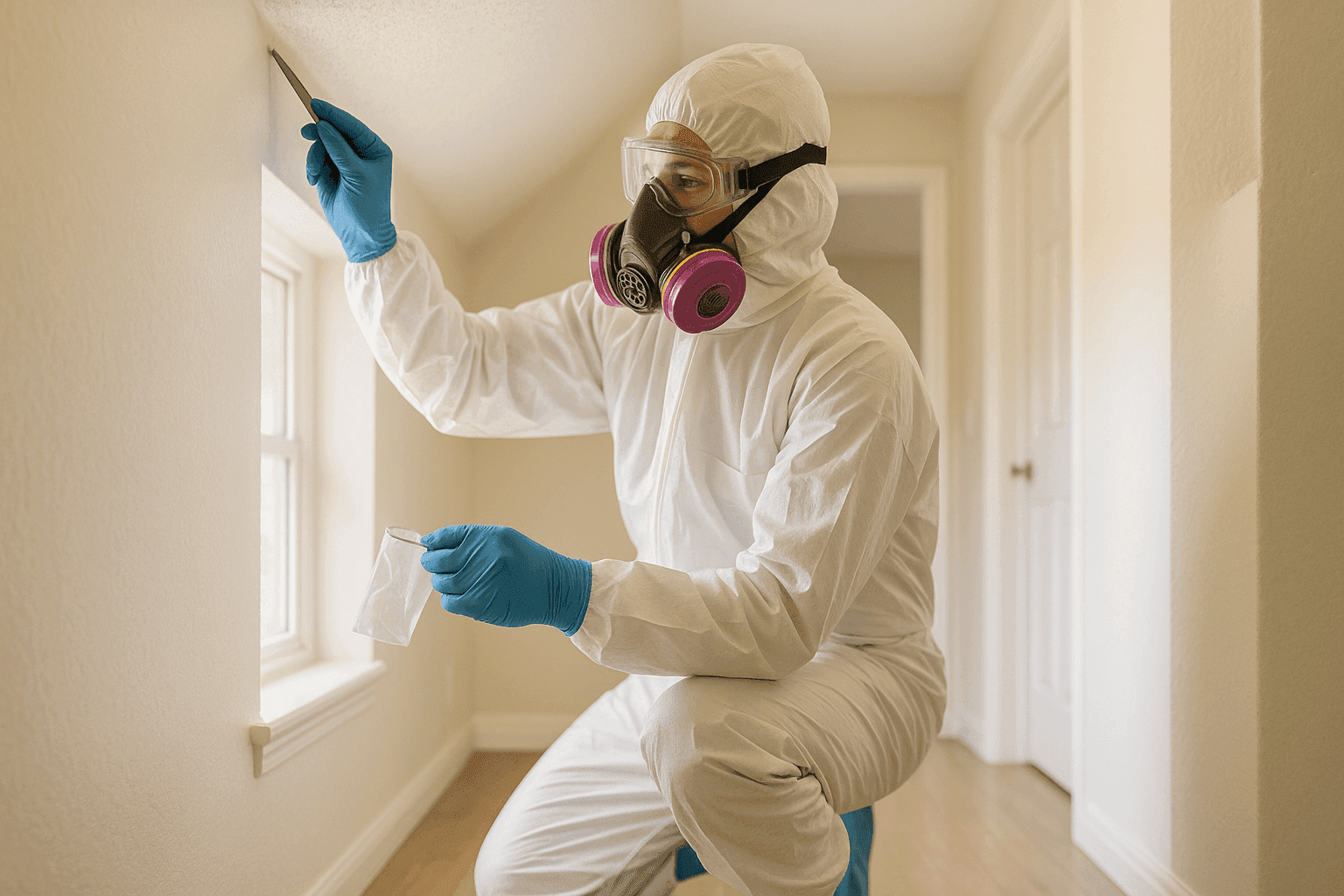
Owning an older home can feel like finding hidden treasure—original hardwood floors, quirky window frames, and an undeniable sense of history. But sometimes, that charm comes packaged with invisible dangers. Lead paint and asbestos are two such hazards, lurking quietly behind walls and under floors. Both can put your family at risk, and addressing them responsibly is more urgent than ever.
At Soteria Asbestos, we’ve seen how quickly a simple renovation can uncover these threats. If you’re not sure what’s in your walls, or you want to keep your home safe during upgrades, read on. Here’s what every modern homeowner needs to know.
Where Are Lead and Asbestos Found? 🏠
Think of your house like a layered cake. Over the decades, each new owner added a layer—paint, insulation, tiles, and more. Some of those layers are now considered hazardous.
Lead Paint
- Used in homes built before 1978: Lead-based paint was common for walls, trim, window sills, and doors.
- Not just on the surface: Multiple coats could mean that even if your walls look safe, old layers beneath can still be a risk.
- Often disturbed during renovations: Sanding, scraping, or demolishing painted areas can release fine lead dust.
Asbestos
- Found in insulation, floor tiles, ceilings, and siding: Especially in homes built or renovated before the 1980s.
- Pipe wrap and ductwork: Asbestos was often used to insulate pipes and heating systems.
- Cement sheets, roofing, and textured paints: Sometimes hidden in plain sight.
Overlapping Risks
Sometimes, both hazards exist in the same space—a bathroom remodel, for example, might uncover asbestos floor tiles and lead-painted trim. That’s why a careful, coordinated approach matters.
Health Risks and Regulations
It’s easy to brush off old paint or dusty insulation as harmless. But both lead and asbestos are dangerous in their own ways.
Health Effects
- Lead: Even small amounts can harm children’s brain development, cause learning disabilities, and contribute to behavioral issues. Adults aren’t immune—lead can raise blood pressure, cause headaches, and more.
- Asbestos: Tiny asbestos fibers, once airborne, can lodge in your lungs. Over years, this can lead to serious diseases like asbestosis, lung cancer, or mesothelioma.
Regulations
- Lead: The U.S. Environmental Protection Agency (EPA) and the Department of Housing and Urban Development (HUD) strictly regulate lead paint in homes, especially where children live.
- Asbestos: The Occupational Safety and Health Administration (OSHA) and EPA set standards for safe asbestos handling and removal.
It’s not just best practice—it’s the law. Failing to follow these rules can lead to hefty fines and, more importantly, real health consequences.
Testing Procedures
Before you can fix a problem, you have to know where it hides. Testing is the flashlight in the attic of uncertainty.
Lead Paint Testing
- Swab tests: Quick, surface-level checks. Good for a first look, but not always reliable.
- X-Ray Fluorescence (XRF): A handheld tool can “see” through paint layers to detect lead deep below.
- Lab analysis: Paint chip samples sent to certified labs offer the most accurate results.
Asbestos Testing
- Visual inspection: Experienced inspectors look for likely asbestos-containing materials (ACMs).
- Sample collection: Carefully removed samples are sealed, labeled, and sent to accredited labs.
- Air quality testing: Monitors for airborne fibers, especially during or after work.
When to Test
- Before buying or renovating a home built before 1980.
- If you notice crumbling drywall, flaking paint, or damaged insulation.
- Whenever you plan demolition, even in a small area.
Safe Removal Strategies 🛡️
Tackling lead paint or asbestos isn’t like cleaning out a dusty attic. It requires careful planning, specialized gear, and strict adherence to regulations.
Lead Paint Removal
- Containment: Plastic sheeting, sealed vents, and negative air pressure prevent dust from spreading.
- Wet methods: Keep surfaces moist during scraping to reduce airborne particles.
- Proper disposal: All waste is bagged, labeled, and taken to approved facilities.
Asbestos Removal (Asbestos Abatement)
- Full containment: Work areas are sealed to create a barrier—think of it like a quarantine tent.
- Personal protective equipment (PPE): Workers wear respirators and disposable suits.
- HEPA filtration: High-efficiency vacuums and air scrubbers trap even the tiniest fibers.
- Careful decontamination: Workers and equipment are cleaned as they exit the site.
Why Professional Help Matters
DIY attempts can make things worse. Without the right training and equipment, you risk contaminating your home and exposing your family. Certified professionals, like those at Soteria Asbestos, follow EPA, OSHA, and state guidelines every step of the way.
Quick Safety Checklist
Before you even touch that old wall or floor, run through this list:
- Was your home built before 1980?
- Are there signs of flaking paint, crumbling tiles, or damaged insulation?
- Are you planning renovations, demolition, or extensive cleaning?
- Have you had the space tested for lead paint and asbestos?
- Do you have children, pregnant women, or elderly people living in the home?
- Are you familiar with local and federal regulations for hazardous materials?
If you answer “yes” to any of these, pause. It’s time to bring in professionals for assessment and advice.
DIY or Call a Pro?
It’s tempting to tackle home repairs yourself. But with lead paint and asbestos, the stakes are high.
DIY May Be Reasonable When:
- You’re only doing visual checks (without disturbing materials).
- You’re painting over intact lead paint with approved encapsulants—after consulting a specialist.
- You’re cleaning minor dust (with proper PPE and HEPA vacuums) in non-ACM areas.
Call a Pro When:
- Any demolition, sanding, or removal is planned.
- You find friable (crumbly) materials.
- Testing confirms the presence of asbestos or lead.
- You must comply with real estate sales or rental regulations.
Remember: professional asbestos_removal and Lead Paint Removal near you means safer air, fewer headaches, and legal peace of mind.
What Pros Do On Arrival
When the Soteria Asbestos team arrives, it’s not just business—it’s a safety operation.
The Process
- Inspection & Risk Assessment: A thorough walk-through identifies all suspect materials.
- Sample Collection: Carefully, without spreading dust or fibers.
- Containment Setup: Barriers, negative air machines, and warning signage go up fast.
- Removal & Decontamination: Step-by-step, using tools and methods approved by OSHA and the EPA.
- Post-Removal Testing: Ensures no hazardous residue remains.
- Waste Disposal: Materials are securely packaged and tracked to licensed disposal sites.
You’ll receive a full report. No guesswork. No loose ends.
Prevention & Maintenance
Once your home is safe, keeping it that way is easier than you think.
- Regular inspections: Especially after storms, leaks, or any damage.
- Prompt repairs: Don’t ignore peeling paint or water-damaged areas.
- Proper cleaning: Use wet mops and HEPA vacuums, never ordinary brooms.
- Keep records: Save all test results, abatement reports, and disposal receipts.
Preventing a problem is always less stressful (and less expensive) than emergency remediation.
Costs & Time Factors
Every home is different, so there’s no one-size-fits-all price tag. But here’s what influences cost and timeline:
- Size of area: Removing lead paint from a single room is quicker and cheaper than a whole house.
- Material type: Friable asbestos (like old pipe insulation) is more hazardous and costly to remove than sealed floor tiles.
- Access: Hard-to-reach spaces take more time and effort.
- Testing and post-removal clearance: Essential steps that add to the total but ensure safety.
A typical asbestos_removal or Lead Paint Removal near you might take anywhere from a day to several weeks, depending on complexity and weather.
When It’s an Emergency 🚨
Sometimes, waiting isn’t safe. Emergency services are necessary when:
- You’ve had a flood, fire, or major storm that damages asbestos- or lead-containing materials.
- Renovation work accidentally exposes hidden hazards.
- Children or vulnerable adults are exposed to dust or debris.
If you suspect an emergency, leave the area, avoid disturbing materials, and call for help immediately. Quick, professional response can make all the difference.
FAQ
Q: Is it safe to live in a home with lead paint or asbestos if they’re undisturbed?
A: If materials are in good condition and left alone, risk is lower. But any damage, renovation, or aging can change that fast. Regular inspections are key.
Q: Can I just paint over lead paint or asbestos?
A: Sometimes, encapsulation is an option for lead paint, but only if the surface is in good shape. Asbestos should never be painted over—removal or professional sealing is safer.
Q: What should I look for in a removal contractor?
A: Certification, experience, and compliance with EPA/OSHA guidelines. Ask for references and a detailed plan before work begins.
Q: Are there laws about disclosing lead or asbestos when selling a home?
A: Yes—federal law requires disclosure of known lead paint hazards in homes built before 1978. Many states have additional rules about asbestos.
Local and Seasonal Considerations
Hazardous material risks can change with the seasons. Humidity, storms, and temperature swings all take a toll on old materials. For example:
- Winter: Freeze-thaw cycles can crack paint and loosen insulation.
- Spring/Summer: Storms and flooding may expose or disturb hidden hazards.
- Renovation season: Spring and summer are busiest for remodeling, so plan testing and abatement early.
No matter the season, staying alert to warning signs—and scheduling regular inspections—keeps your home and family safer.
Being a homeowner is about more than loving your space. It’s about keeping it healthy and safe for everyone inside. When lead paint or asbestos are part of your home’s past, let Soteria Asbestos help safeguard your future.
Call Soteria Asbestos now — or reach us anytime at 888-840-7039 .