How to Identify Asbestos in Your Home: Signs, Risks & Next Steps
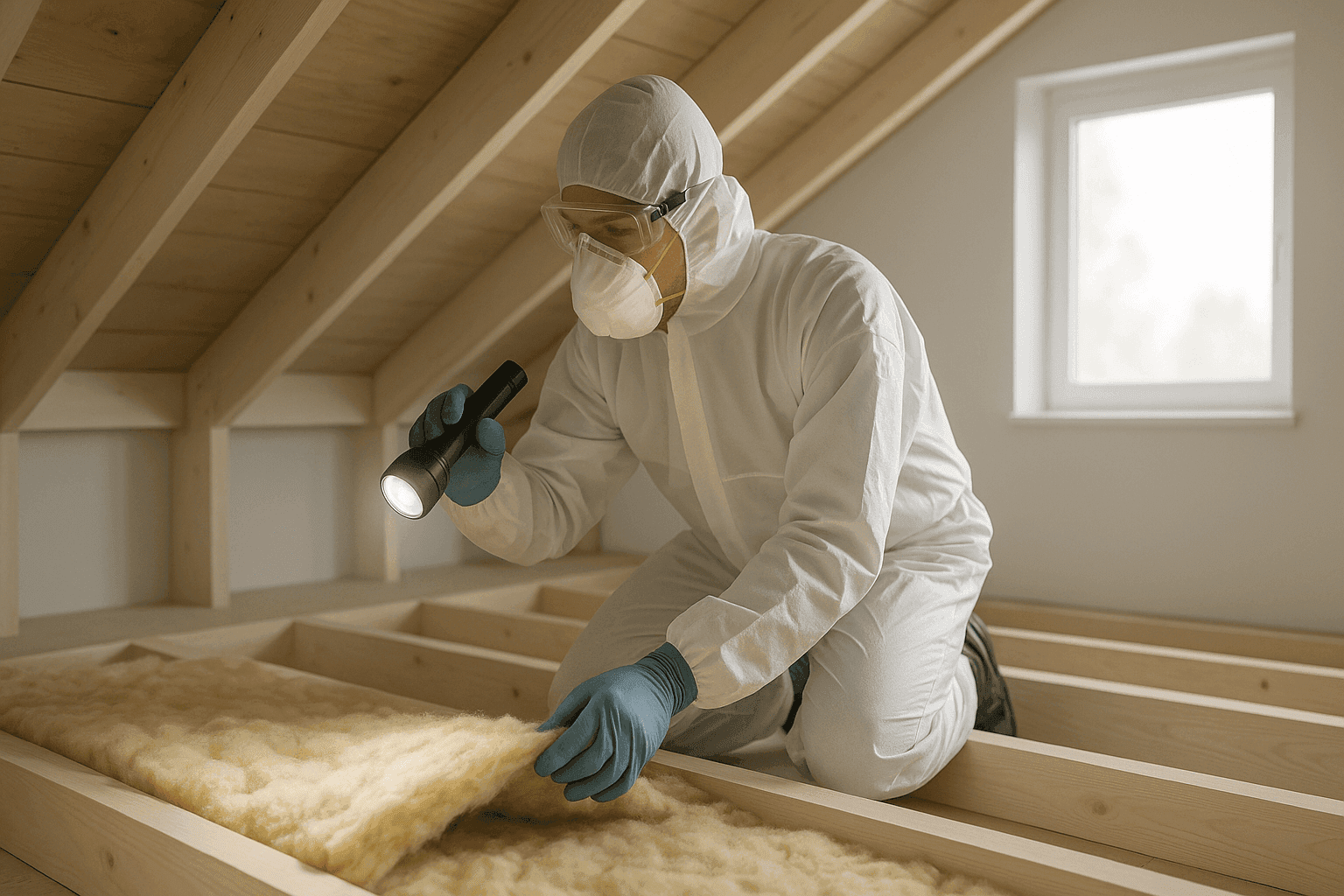
Imagine peeling back a corner of your old linoleum floor or looking up at those textured ceilings and wondering, “Could this be asbestos?” For many homeowners, that nagging question breeds worry. At Soteria Asbestos, we understand how unsettling it feels to suspect a hidden hazard in your home.
Asbestos isn’t just a relic of the distant past. If your home was built before the 1980s, it could be quietly lurking in places you least expect. Knowing the signs, risks, and smart next steps can make all the difference—for your health, your family’s safety, and your peace of mind.
Common Locations for Asbestos
Picture your house as a layered cake. Asbestos was sprinkled throughout many homes built before modern regulations, often where you can’t see it. The most common spots? Here’s where to look:
- Insulation: Attics, pipe wrappings, boiler coverings, and even inside walls. Old “popcorn” ceilings and loose-fill insulation (think fluffy, gray, or pebble-like material) are prime suspects.
- Flooring: Vinyl tiles (especially 9”x9” sizes), linoleum, and the glue holding them down often contain asbestos fibers.
- Ceiling Tiles: Acoustic ceiling panels, sometimes found in basements or utility rooms, were frequently manufactured with asbestos.
- Pipe Wraps: White or gray cloth-like wraps around old steam pipes and furnaces.
- Roofing and Siding: Some exterior shingles and siding panels, particularly those installed before the 1980s.
- Textured Paints and Plasters: Decorative wall and ceiling finishes, especially those with a rough or “popcorn” look.
Not every old material contains asbestos, though. Think of it like mushrooms in the yard: not every one is dangerous, but you can’t always tell which is which by sight alone.
Visual Clues and Warning Signs 👀
Is asbestos easy to spot? Not always. It’s often mixed in with other materials or hiding under paint, tile, or insulation. But there are a few clues that should make you pause:
- Age: If the material predates the mid-1980s, consider it suspect.
- Crumbly or Friable Texture: Materials that break apart easily release more fibers.
- Damaged Surfaces: Cracks, water damage, or wear and tear increase the risk of exposure.
- Unusual Insulation: Gray, white, or blue insulation that looks “fluffy” or pebbled may be suspect.
Warning: Never disturb a material just to “check” for asbestos. Disturbing it is like shaking a dusty rug—the dangerous part is what you can’t see.
Health Risks of Asbestos Exposure
Why all the fuss? Asbestos fibers are tiny—so small you can’t see them with your eyes. But when inhaled, they act like invisible splinters in your lungs. Over time, this can lead to:
- Asbestosis: Scarring of lung tissue, making it hard to breathe.
- Lung Cancer: Long-term exposure increases the risk, especially for smokers.
- Mesothelioma: A rare, aggressive cancer almost exclusively linked to asbestos exposure.
The World Health Organization and U.S. Environmental Protection Agency both stress: there is no safe level of exposure. Symptoms often take decades to appear, making prevention critical.
What to Do If You Suspect Asbestos
Pause. Don’t poke, prod, or start any DIY removal project. Here’s a safe, step-by-step approach:
- Stop Work: If you’re renovating, halt any demolition or disturbance.
- Limit Access: Keep children and pets away from the area.
- Do Not Vacuum or Sweep: This can send fibers airborne.
- Call a Certified Professional: Reach out to Soteria Asbestos or another licensed asbestos_removal provider for inspection and testing.
Remember: Only a lab test can confirm asbestos. Visual checks alone aren’t enough.
Quick Safety Checklist 🛑
- Don’t touch or disturb suspect materials.
- Keep the area ventilated with windows closed.
- Seal off the room if there’s visible damage.
- Call for professional asbestos testing, not DIY kits.
- Save any renovation plans until you have results.
DIY vs. Call a Pro
It’s tempting to handle things yourself—after all, how hard could it be? But asbestos_removal is different. The risks are invisible, and government regulations (like EPA’s Renovation, Repair and Painting Rule, and OSHA standards) require strict procedures. Here’s why:
- Testing: Only accredited labs and certified inspectors can legally confirm asbestos.
- Containment: Pros use specialized barriers and negative air machines to prevent spread.
- Protective Gear: Full-body suits and respirators—not just a dust mask.
- Waste Disposal: Asbestos is hazardous waste—it can’t go out with the trash.
DIY removal is illegal in many situations and can endanger your health and others. Calling a pro is like hiring a firefighter—you want someone trained for the danger. Soteria Asbestos is fully certified and up-to-date with all regulatory requirements.
What Pros Do On Arrival
Wondering what happens during a professional visit? Here’s our process at Soteria Asbestos:
- Assessment: We inspect suspect materials and gather background info on your property’s construction.
- Sampling: Carefully collect samples using safe, legal techniques. No dust, no fuss.
- Lab Testing: Samples are sent to a certified lab for analysis.
- Reporting: You get clear, jargon-free results and recommendations.
- Containment & Removal: If asbestos is present, we set up containment barriers and use HEPA-filtered equipment for safe asbestos_removal.
- Post-Removal Testing: Air quality is tested to ensure your home is safe to re-enter.
We follow all government and industry standards, including EPA, OSHA, and state regulations.
Prevention & Maintenance
Owning an older home doesn’t have to be scary. Here’s how to keep risk low:
- Regular Inspections: Especially before renovations or if you notice damage.
- Prompt Repairs: Fix leaks or water damage to prevent deterioration.
- Keep Surfaces Sealed: Paint or seal old materials to prevent fiber release.
- Know Your Home’s History: Ask about past remodels or abatement.
If you’re buying or selling, request an asbestos inspection as part of the process.
Costs & Time Factors
Every home is different. Factors affecting time and cost include:
- Size of Area: A single pipe wrap is faster and less costly than an entire attic.
- Material Type: Some asbestos-containing materials are more difficult to remove.
- Access: Hard-to-reach areas take longer.
- Waste Disposal: Proper hazardous waste handling adds to cost.
Most initial inspections take a few hours. Removal projects can range from a single day to several days for larger jobs. While it’s not possible to provide a quote here, we’re happy to discuss your specific needs over the phone.
When It’s an Emergency 🚨
Some situations can’t wait:
- Fire or Flood Damage: Damaged asbestos can quickly release fibers.
- Major Renovation Surprises: If you uncover suspect material mid-project, stop immediately.
- Visible Dust or Debris: If you see dust coming from damaged insulation, ceiling, or tile, leave the area and call for emergency asbestos_removal.
Soteria Asbestos offers rapid response for these scenarios. Your safety can’t wait.
FAQ: Common Questions
Q: Is every old material in my house dangerous?
A: No—many older materials are asbestos-free. Only testing can tell for sure.
Q: Can I use a home test kit?
A: Home kits aren’t as accurate as professional sampling, and improper handling can release fibers. Certified professionals follow strict safety protocols.
Q: What about lead paint or mold?
A: Soteria Asbestos also provides Lead Paint Removal near you and mold inspection, often as part of a full hazardous material assessment.
Q: How long does testing take?
A: Most lab results come back in 1–3 business days, depending on the sample and lab schedule.
Local/Seasonal Considerations
Cold winters or rainy weather can delay outdoor asbestos_removal projects. In older neighborhoods, renovations may uncover hidden ACMs more often. Planning ahead—especially before starting a big remodel—can save time, money, and stress.
Soteria Asbestos keeps up with all local, state, and federal regulations, so you don’t have to worry about compliance.
Identifying asbestos in your home doesn’t have to be overwhelming. The first step? Stay calm, stay safe, and get the facts. For reliable inspection, testing, and asbestos_removal—plus services like Lead Paint Removal near you—reach out to Soteria Asbestos.
Call Soteria Asbestos now — or reach us anytime at 888-840-7039 .