When to Call Emergency Asbestos Removal: Signs & Immediate Actions
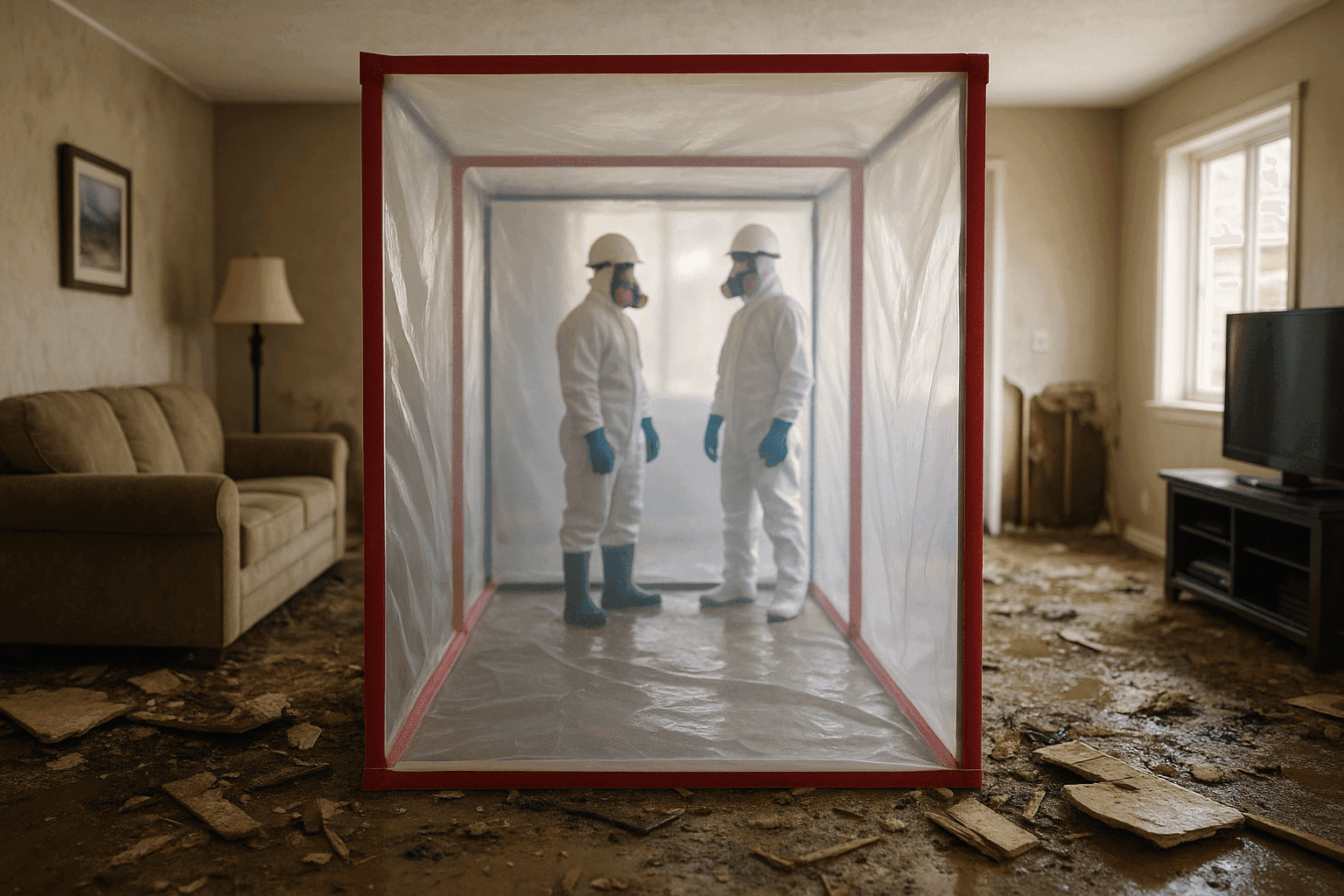
Is your world suddenly turned upside down by a leaky roof, a fallen tree, or a renovation gone wrong? Asbestos emergencies can happen in the blink of an eye—one moment, you’re safe at home, and the next, the air may be filled with invisible hazards. At Soteria Asbestos, we know how fast things can go from calm to crisis. Our team specializes in emergency asbestos_removal, hazardous material handling, and Lead Paint Removal near you.
Knowing what to do, and when, can make all the difference for your family’s safety. Here’s what every homeowner should know about emergency asbestos risks—and how to act fast when it matters most.
Common Emergency Scenarios 🛑
It’s not always obvious when you need emergency asbestos_removal. But certain situations should raise red flags right away:
- Storm or Flood Damage: High winds, hail, or flooding can rip through ceilings, walls, or older insulation—unleashing asbestos fibers.
- Fire or Smoke Damage: Fires can destroy protective barriers, exposing what was safely hidden for decades.
- Accidental Disturbance: Drilling, sanding, or DIY renovations without proper inspection can crack open asbestos-containing materials (ACMs).
- Unexpected Collapse: Sagging ceilings, broken tiles, or crumbling drywall in older homes may mean disturbed asbestos or lead paint.
- Demolition Gone Wrong: Unplanned or unpermitted demolition can rapidly spread hazardous dust.
If you recognize any of these, stop and reassess. The risk is not always visible—think of asbestos like a sleeping dragon, harmless until disturbed.
Recognizing the Risks
Why is asbestos so dangerous? When undisturbed, it’s often safe. But once damaged, tiny fibers get airborne—too small to see, too easy to breathe in. Over time, these fibers can settle deep in the lungs, raising the risk for diseases like asbestosis, mesothelioma, and lung cancer.
Asbestos emergencies aren’t just about immediate exposure. It’s about preventing a slow, silent threat from taking root in your home. The same goes for old lead paint and mold—hidden hazards that can be stirred up when least expected.
Authoritative Resource: The U.S. Environmental Protection Agency (EPA) and local health departments stress that even short-term exposure during an emergency can be harmful, especially for children, seniors, or anyone with respiratory conditions.
First Steps to Take
If you suspect you have an asbestos emergency, your next moves are critical. Think of it like stopping a leak before it floods your house:
- Evacuate the area immediately. Don’t try to clean up or investigate further.
- Shut off HVAC systems. This can help prevent fibers from spreading through vents.
- Seal off the affected room if safe to do so. Close doors and windows to contain dust.
- Avoid disturbing debris. Even walking through can kick up more fibers.
- Contact professionals for emergency asbestos_removal. Never attempt removal yourself.
If you’re unsure, treat any damaged building material in an older home as potentially hazardous until proven otherwise by testing.
Coordinating with Emergency Services 🚨
Emergencies can be chaotic. Here’s how to work with professionals to keep your family safe:
- Call local emergency services if you’re in immediate danger (fire, structural collapse, flood).
- Inform responders that asbestos or lead paint may be involved—this helps them use the right protective gear.
- Wait for clearance. Only re-enter once professionals confirm it’s safe.
- Keep a record of what happened—photos, times, and conversations with responders. This can help with insurance and regulatory compliance.
Soteria Asbestos works hand-in-hand with fire, police, and environmental agencies to ensure the safest protocols are followed—just as outlined by the Occupational Safety and Health Administration (OSHA) and EPA guidelines.
Quick Safety Checklist
- Was your home built before 1990?
- Do you see broken, crumbly, or water-damaged materials?
- Has there been a fire, flood, or structural collapse?
- Did you spot white, gray, or blue fibrous debris?
- Are you experiencing unexplained respiratory symptoms after an incident?
If you answered “yes” to any of these, call for help—not just a handyman. Your health is worth it.
DIY vs. Call a Pro
You might be tempted to handle things yourself. But with asbestos, it’s like trying to put out a fire with gasoline. Even dusting or vacuuming can make things worse.
DIY is never safe for:
- Asbestos_removal
- Lead Paint Removal
- Mold Remediation after major damage
Instead, call certified professionals like Soteria Asbestos. We use containment, negative air pressure, and proper waste disposal that meet federal and local codes.
What Pros Do On Arrival
When our emergency team arrives, here’s what happens next:
- Assessment: We inspect and test materials (asbestos, lead paint, mold) using air quality equipment and surface sampling.
- Containment: We seal off the hazard area with heavy-duty plastic and negative pressure machines—no fibers escape.
- Protective Gear: Our team wears specialized suits and respirators to prevent exposure.
- Safe Removal: Using industry-standard techniques, we carefully remove hazardous material without spreading contamination.
- Post-Removal Testing: Air quality and surface tests ensure your home is safe before we finish.
- Waste Disposal: All debris is double-bagged, labeled, and taken to licensed hazardous material facilities.
Following OSHA, EPA, and local health codes is non-negotiable. We make sure your home is safe for return—not just “clean enough.”
Prevention & Maintenance
Emergencies are unpredictable, but you can lower your risk with a few simple steps:
- Annual Inspections: Schedule regular asbestos, lead paint, and mold checks—especially before renovation.
- Air Quality Testing: Catch hidden hazards before they become a problem.
- Professional Renovation Support: Always consult experts before drilling, sanding, or demolishing in older homes.
- Keep records of any previous abatement work for future reference.
Prevention is like locking your doors before you leave home. It only takes a moment, but it can save you from a world of trouble.
Costs & Time Factors
Emergency asbestos_removal is a serious investment. Pricing varies based on:
- Extent of contamination: One room vs. whole house.
- Material type: Insulation, tile, siding, or pipe wrap.
- Urgency: Emergency calls may require after-hours or weekend service.
- Testing and clearance: Multiple rounds may be needed to ensure safety.
Time frames depend on the size of the job and clearance testing, from a few hours to several days. We’ll always explain the process up front so there are no surprises.
When It’s an Emergency
Not every damaged wall or ceiling is a 911 moment. But if you see:
- Visible debris after a storm, fire, or flood
- Unexplained illness after home damage
- Sudden collapse or breakage in older building materials
- DIY projects gone wrong in pre-1990 homes
Don’t wait. The cost of hesitation can be far greater than the price of a call.
FAQ
Q: How do I know if a material contains asbestos?
A: Only laboratory testing can confirm asbestos. Treat any suspicious material in older homes as potentially hazardous.
Q: Should I try to clean up before professionals arrive?
A: Never. Even sweeping can raise dust. Evacuate, seal off the area if safe, and wait for certified help.
Q: Is it safe to stay in my home after an asbestos emergency?
A: Not until professionals complete removal and post-removal testing confirms the air is safe.
Q: Who can I call for Lead Paint Removal near you in an emergency?
A: Soteria Asbestos offers emergency response for asbestos, lead paint, and other hazardous materials.
Local/Seasonal Considerations 🌧️
Storm season, wildfire season, or spring floods—different regions face unique risks. If your neighborhood is prone to severe weather, take extra precautions:
- Know your home’s build date and materials.
- Keep emergency contacts handy.
- Schedule pre-season inspections.
- Store important documents and insurance info in a safe place.
Emergencies don’t wait for a convenient time. But with the right preparation and a trusted partner, you can face them head-on.
When every minute counts, don’t take chances with your family’s safety. If you suspect an asbestos, lead paint, or mold emergency, act fast. Call Soteria Asbestos now — or reach us anytime at 888-840-7039 .